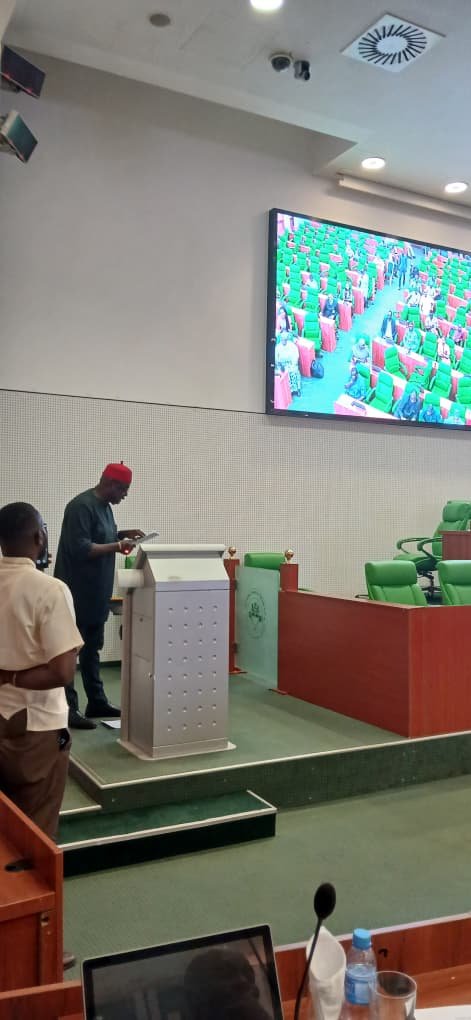
Public Hearing on the Chartered Biochemists and Molecular Biologists Bill (HB 1164)
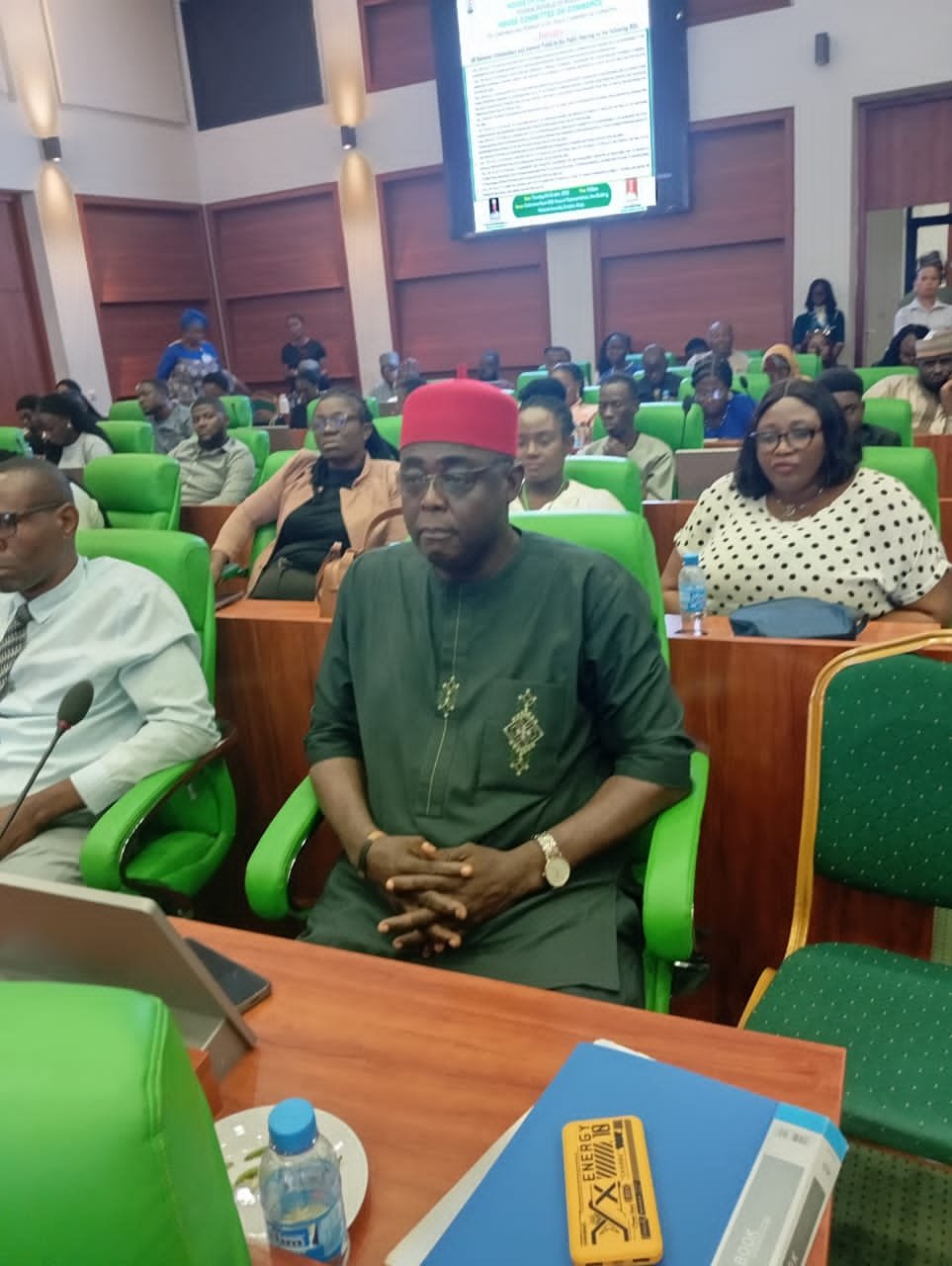
Dr. Casmir Ifeanyi represented the Medical Laboratory Science profession and AMLSN at the House of Representatives hearing room for the public hearing on the Bill for an Act to Establish the Institute of Chartered Biochemists and Molecular Biologists and Other Related Matters (HB 1164).
The Association's position was clear: there is no need for a legislative duplication that would lead to regulatory conflict and anarchy in Nigeria.
The memorandum submitted in support of the bill did not explicitly acknowledge that the regulation of clinical or medical biochemistry and molecular biology is already provided for under Section 29 (a) and (b) of the MLSCN Act, which defines Medical Laboratory Science as “the practice involving the analysis of human or animal tissues, body fluids, excretions, production of biologicals, design and fabrication of equipment for the purpose of medical laboratory diagnosis, treatment and research” and expressly includes medical microbiology, clinical chemistry (medical biochemistry), chemical pathology, haematology, blood transfusion science, virology, histopathology, histochemistry, immunology, cytogenetics, exfoliative cytology, parasitology, forensic science, molecular biology and laboratory management.
In the light of these provisions, medical biochemistry and molecular biology are subspecialties of medical laboratory science as provided in the enabling MLSCN Act 11 of 2003, making conflicting legislation unnecessary.
The MLSCN has accordingly developed regulatory guidelines for the operation of biochemical and molecular diagnostic laboratories — including the PCR laboratories set up and run across Nigeria that enabled the country to contain the COVID-19 and Ebola pandemics.
Event Visual Archive
A photographic journey through this event.